



Fiber Optic Components and Connectivity Solutions
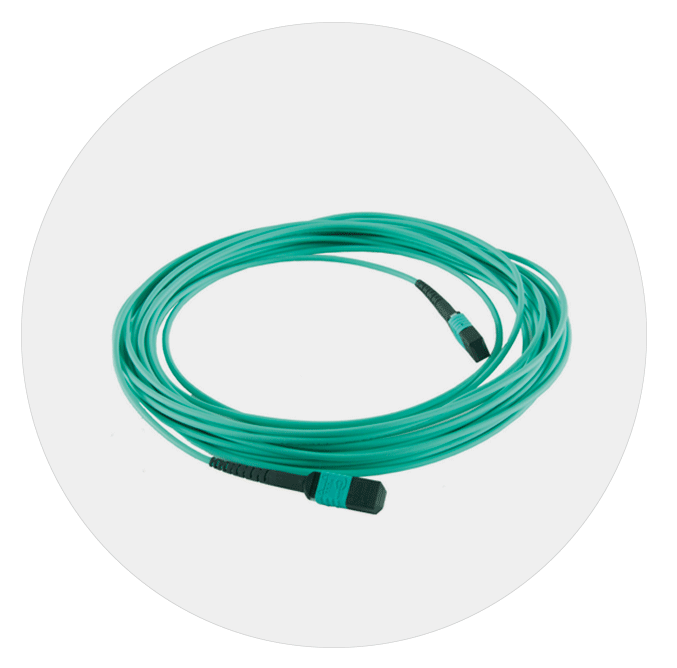
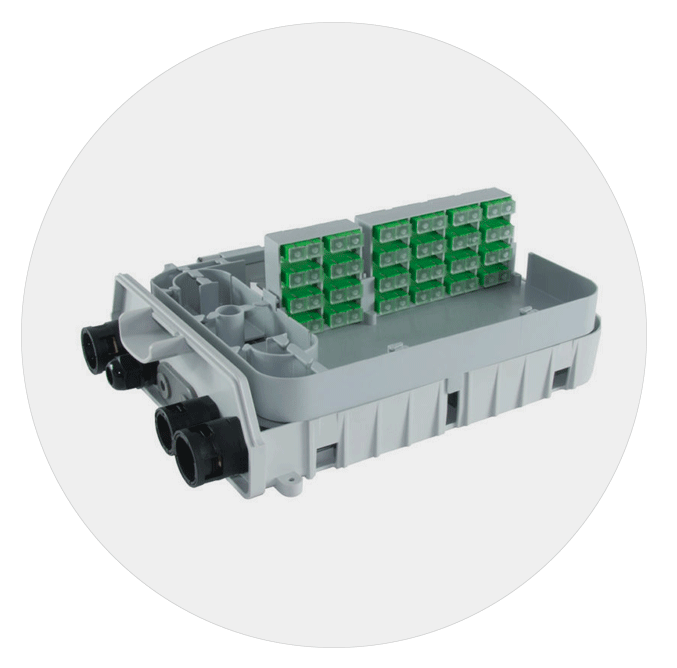
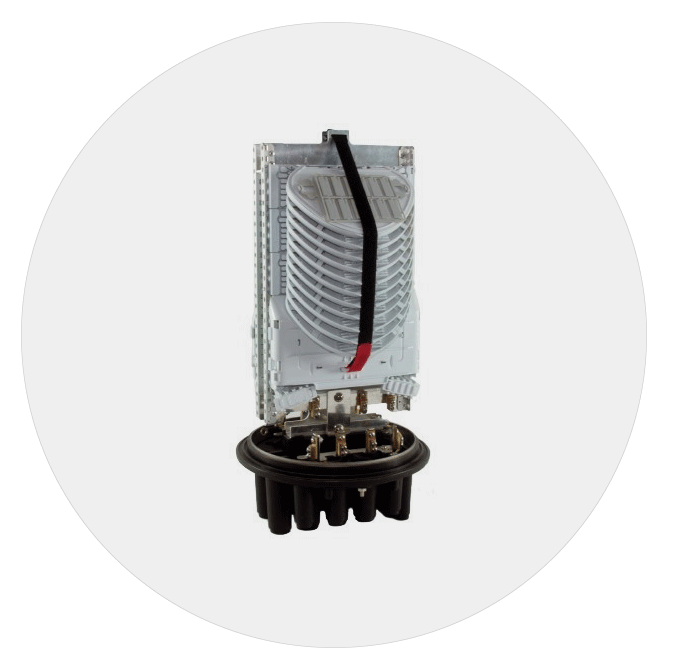
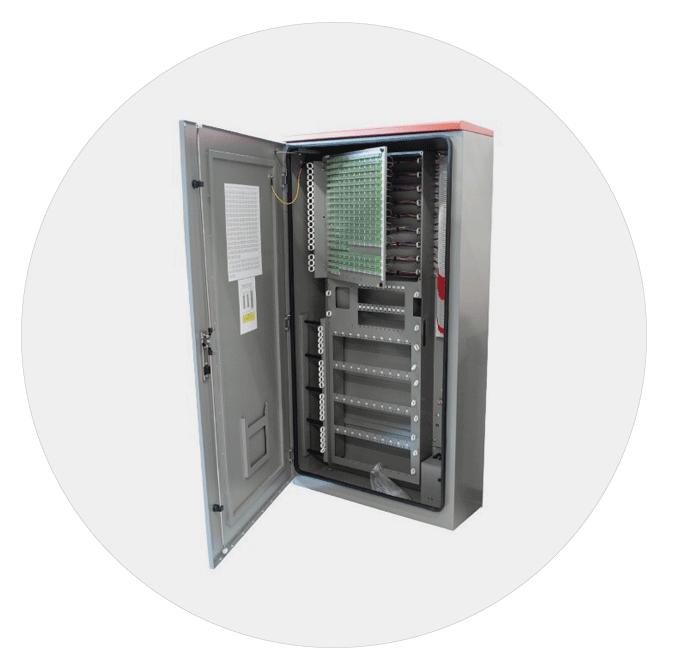
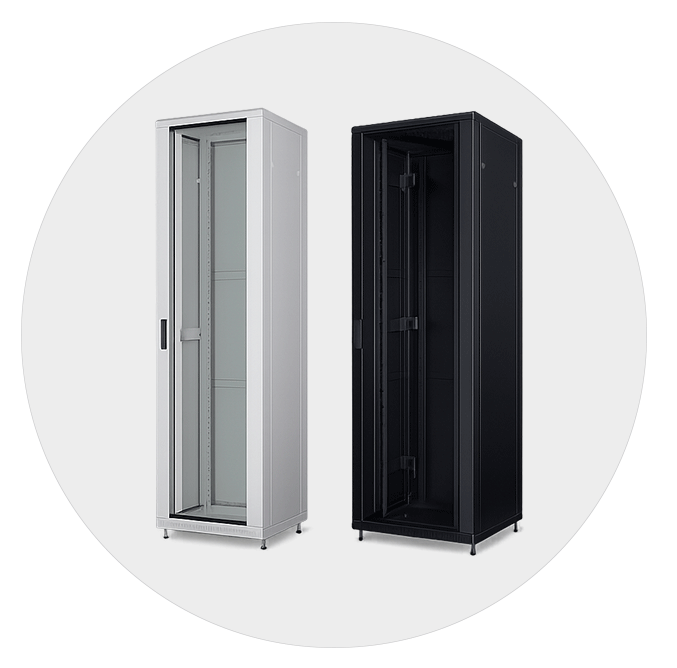
Out Line supplies fiber optic components designed for the installation, distribution and maintenance of modern telecommunications networks. The product range includes fiber optic patch cords, pigtails, optical adapters, connectors, splitters and accessories for managing optical connections.
These components are widely used in FTTH (Fiber to the Home), FTTx networks, data centers and structured cabling infrastructures, where reliable optical connectivity and efficient fiber management are essential.
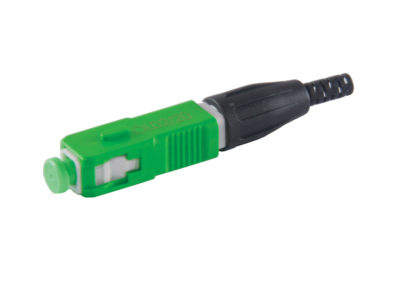
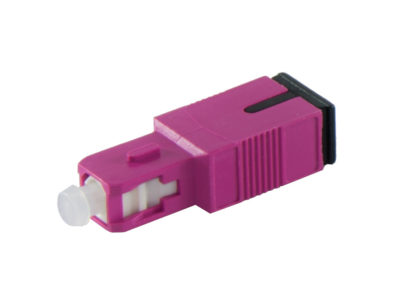
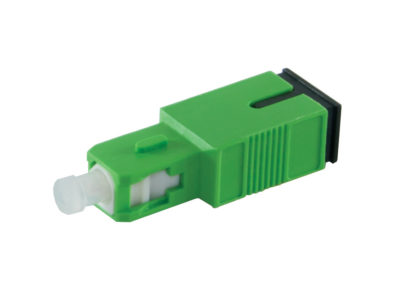
The range includes different connector configurations, including SC and LC interfaces, with options depending on individual product specifications.
With extensive experience in telecommunications infrastructure, Out Line supports network operators, professional installers and system integrators in selecting suitable components for fiber optic network deployment and maintenance.
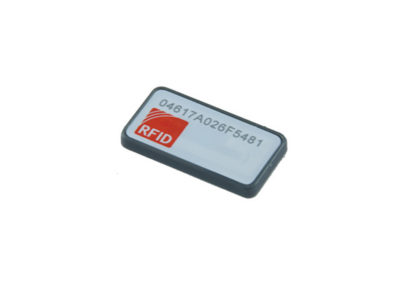
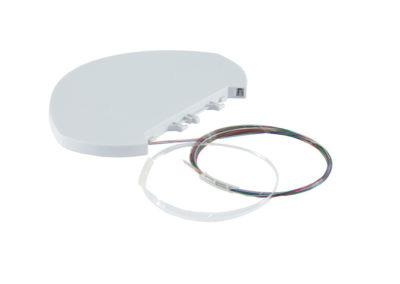
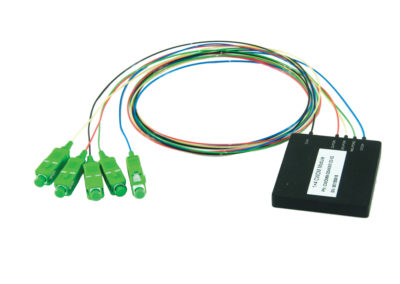
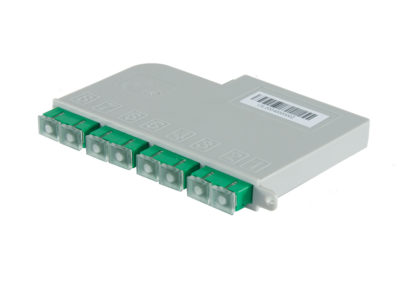
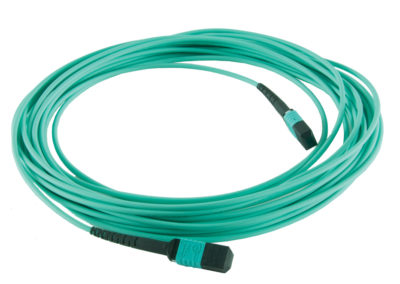


1. What are the main components of a fiber optic network?
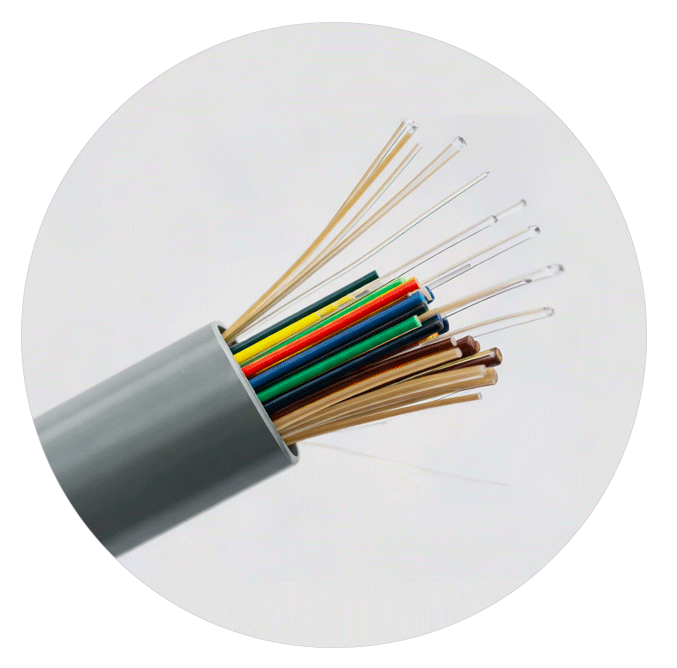
The main components include optical cables, patch cords, pigtails, connectors, adapters, splitters and fiber distribution equipment. Each component performs a specific function in optical signal transmission, termination or management.
2. What is the difference between a patch cord and a pigtail?
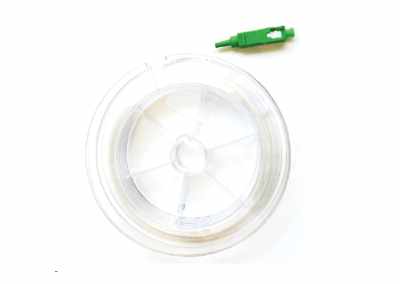
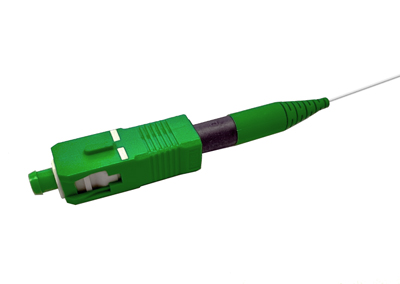
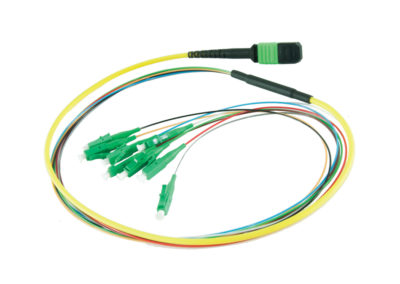
A fiber optic patch cord typically has connectors at both ends. A pigtail generally has one connectorized end and one unterminated end designed for splicing.
3. What is the difference between SC and LC connectors?
SC connectors use a push-pull coupling mechanism, while LC connectors have a smaller form factor. LC connectors are commonly used in high-density optical installations.
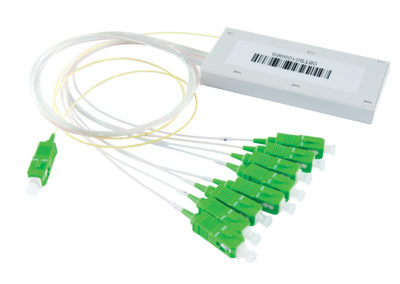
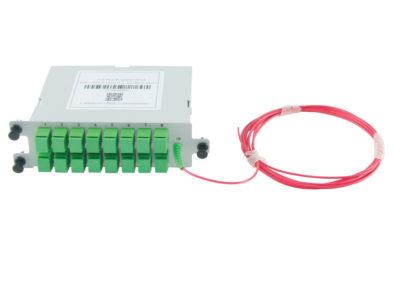
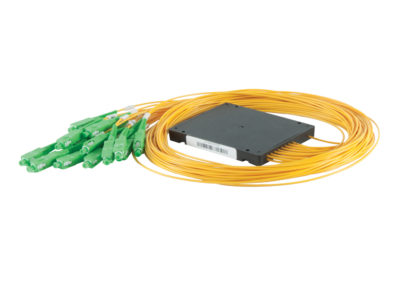
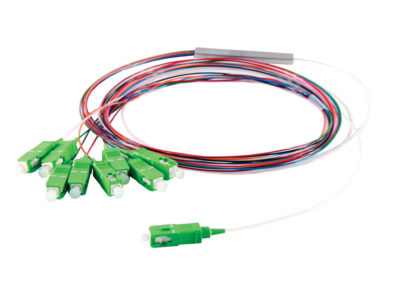
4. What is an optical splitter used for?
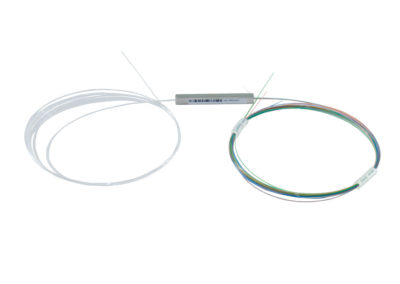
An optical splitter is a passive component that divides an incoming optical signal into multiple outputs. It is commonly used in PON architectures to distribute connectivity to multiple subscribers.
5. How do you select fiber optic components for FTTH networks?
Selection depends on network architecture, fiber type, connector interfaces, optical performance requirements and installation conditions. Compatibility between components should always be verified.