




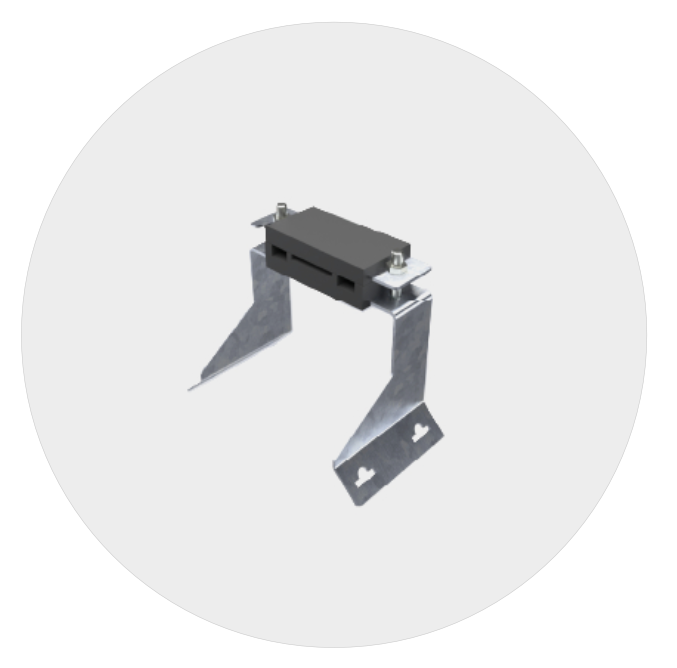
Fiber Optic Instruments
Out Line supplies professional tools and equipment for fiber optic installation, splicing, testing and network maintenance. The product portfolio includes fusion splicers and equipment designed for technical operations on optical telecommunications infrastructure.
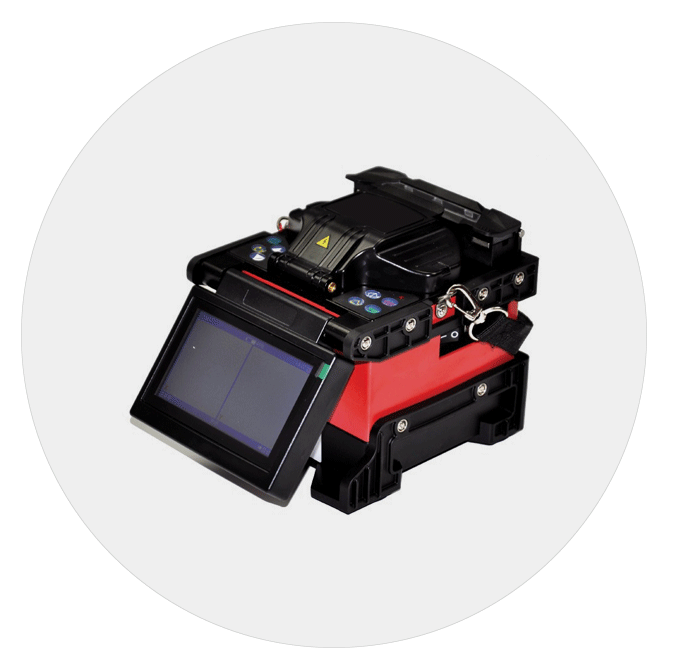
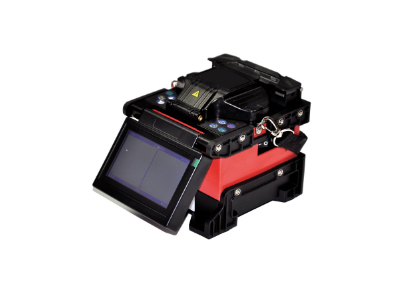
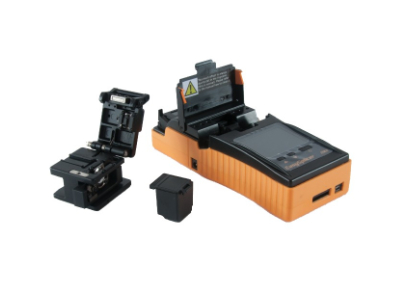
Fusion splicers permanently connect two optical fibers through a controlled fusion process, creating optical joints used in FTTH, FTTx and telecommunications networks.
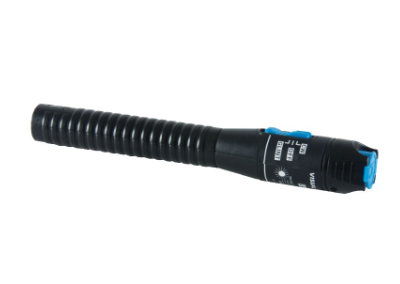
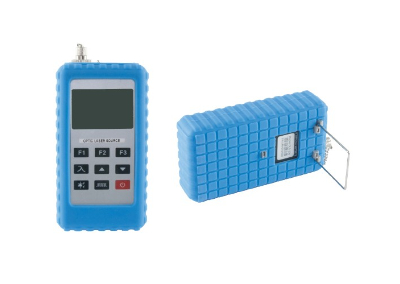
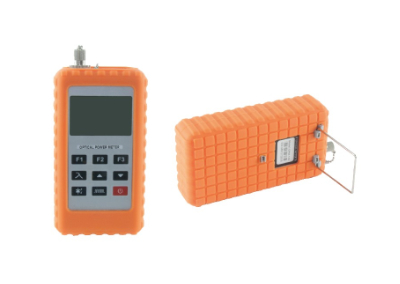
Optical measurement and testing equipment helps technicians verify connection characteristics and identify potential issues during installation and maintenance. Equipment selection depends on network architecture, the required technical operations and performance specifications.
1. What is a fiber optic fusion splicer used for?
A fusion splicer joins two optical fibers through a controlled fusion process, creating a permanent optical connection.
2. What is the difference between core alignment and cladding alignment?
Core alignment uses the fiber core as the positioning reference, while cladding alignment uses the outer optical cladding as the reference.
3. What tools are needed for fiber optic installation?
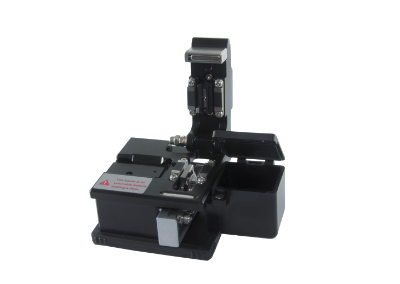
Common tools include fusion splicers, precision cleavers, fiber strippers, cleaning equipment and optical testing instruments.
4. How are fiber optic connections tested?
Testing may include visual inspection, optical power measurements, insertion loss measurements and OTDR testing, depending on network requirements.
5. How do you choose a fusion splicer for FTTH networks?
Important factors include alignment technology, supported fiber types, splice performance, portability, battery autonomy and operating conditions.